Rs 250
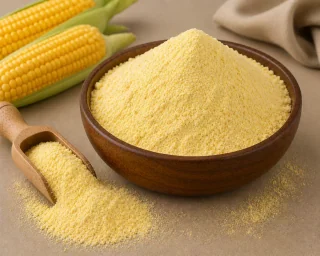
Makai Atta, also known as Makki Atta or whole maize flour, is produced by finely milling dried yellow maize kernels. It has a naturally golden-yellow color, mild corn aroma, and slightly coarse whole-grain texture. It is traditionally used for makki ki roti served with sarson ka saag and can also be used in porridge, cornbread, savory pancakes, flatbreads, and cooked batters. This product is whole maize flour and is not the same as refined white cornstarch, which is also commonly sold under the name corn flour in Pakistan.
Rs 185
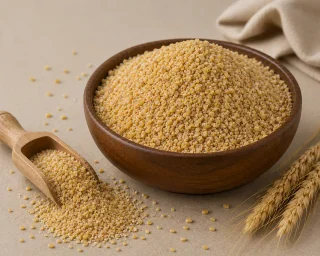
Chef Select Broken Wheat, commonly known as Gandum Daliya, is prepared by cleaning and mechanically cracking wheat kernels into coarse, irregular pieces. Unlike semolina, it consists of recognisable pieces of the wheat grain rather than only coarse endosperm particles. It can be cooked into sweet milk daliya, savoury vegetable daliya, porridge-style dishes, soups and wheat-based khichdi. The final texture ranges from pleasantly chewy to soft depending on the granule size, soaking time and cooking method.
Rs 180
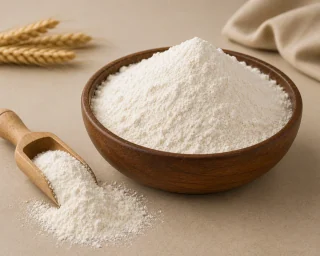
Maida is finely milled refined wheat flour produced mainly from the wheat endosperm after most of the bran and germ have been removed. It has a smooth texture, pale cream to white color, and mild neutral flavor. Maida is widely used for naan, bhatura, bakery-style paratha, samosa and roll wrappers, cakes, biscuits, pastries, breads, sauces, and other recipes requiring fine refined flour.
Rs 500
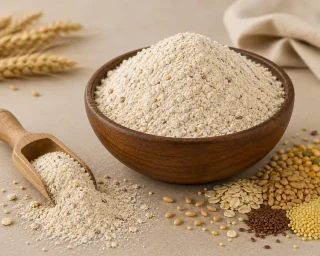
Multigrain Atta is a blended flour made with whole wheat, barley, oats, maize, pearl millet, sorghum, and Bengal gram. The combination produces rotis and chapatis with a more varied grain flavor, color, and texture than ordinary wheat atta. It can also be used for parathas, puris, wraps, savory pancakes, and other cooked flatbread recipes. Because the exact nutritional profile depends on the proportion of each ingredient, specific fiber, protein, or mineral claims should be based on laboratory analysis of the finished blend.
Rs 180
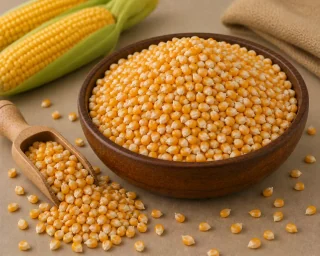
Makai Dana consists of cleaned, whole dried yellow maize kernels intended for human-food preparation. The hard kernels can be milled at a home or commercial chakki to produce fresh makai atta, cracked into coarse maize meal, or soaked and cooked in suitable traditional grain recipes. Ordinary dry maize should not be described as popcorn because only specific popping-maize varieties reliably expand when heated.
Rs 200
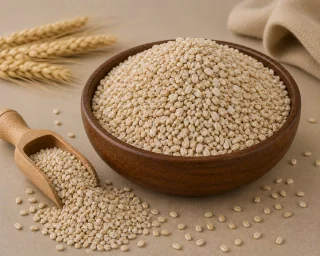
Chef Select Barley Grain, commonly known as Sabut Jau, consists of cleaned, food-grade whole barley kernels intended for cooking or further grinding. The grain has a mild earthy flavour and develops a tender yet slightly chewy texture after sufficient soaking and cooking. It can be used in soups, broths, stews, porridge-style dishes and grain mixtures or milled at home into coarse barley meal. The exact cooking time depends on whether the supplied batch is hulled, lightly pearled or otherwise processed, so the supplier specification and package directions should be checked before sale.
Rs 150
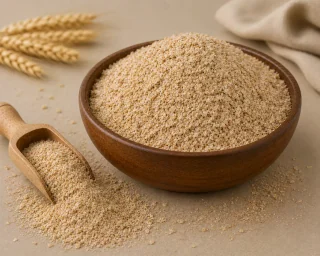
Wheat Bran, commonly called Gandum Ka Chokar, is the coarse outer layer separated from wheat kernels during flour milling. It has a light-brown color, flaky texture, and mild toasted wheat flavor. Wheat bran can be blended into atta, bread dough, muffins, biscuits, porridge, and other thoroughly cooked recipes to add grain texture and naturally occurring dietary fiber. It is different from wheat husk or chaff, which is the non-food outer covering removed before milling.
Rs 320
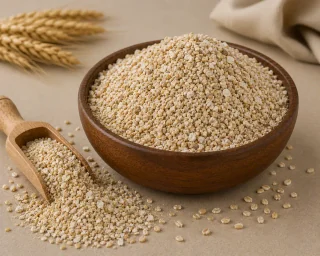
Jau Broken, also known as Jau Ka Daliya, consists of cleaned barley grains cracked into coarse pieces for faster cooking. It develops a soft, pleasantly chewy texture with a mild earthy and nutty grain flavor. It can be prepared as sweet or savory porridge, added to soups and stews, cooked with lentils and vegetables, or used in other thoroughly cooked barley dishes. Barley naturally contains dietary fiber, including beta-glucan, but the exact nutritional content depends on whether the grain is hulled, pearled, or partially polished.